
Blog · 7 August 2026 · Adaptive
Why Getting Stronger Isn't Enough: The Power Missing From Our Post-Stroke and Adaptive Training
By Sian Edwards
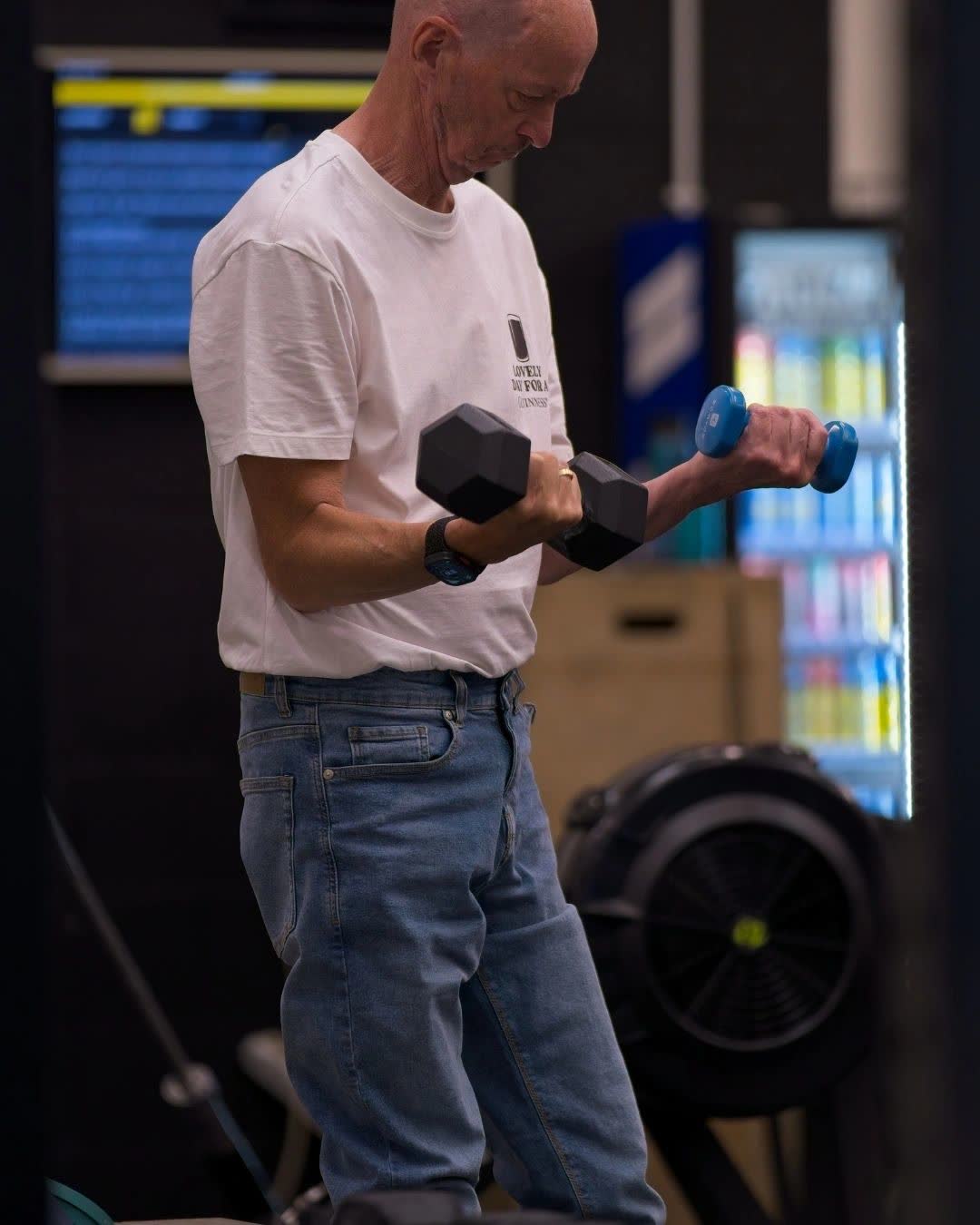
Here at CrossFit Warrington, we talk a lot about strength. We love the barbell, we love building capacity, and we love seeing our athletes hit new personal records. But whether we are coaching individuals in our general classes or running our adaptive CrossFit sessions twice a week, we constantly run into a fascinating clinical and practical dilemma:
Getting stronger doesn't always automatically translate into moving better.
Think about daily life. When an adaptive athlete or someone recovering from a stroke needs to get out of a chair, catch themselves from a stumble, or climb a flight of stairs, the bottleneck usually isn't pure muscle strength. It’s speed. It's muscle power.
Strength vs. Power: What's the Difference?
In fitness and rehabilitation, we often conflate these two terms, but our nervous system treats them very differently:
- Strength is how much force you can produce.
- Power is how quickly you can produce that force.
You can have plenty of raw strength, but if it takes your muscles three seconds to generate it, you've already missed the window to catch your balance or power out of a deep squat.
Recent research in stroke and neurological rehabilitation is really starting to spotlight this. A new clinical trial looked at putting muscle power at the center of training for individuals post-stroke—focusing heavily on moving loads as quickly as possible during the concentric (lifting) phase. The results? Promising improvements in walking speed, agility (like the Timed Up-and-Go), and overall quality of life.
What This Means for Adaptive CrossFit at CrossFit Warrington
This research validates something we see on the gym floor every single week during our adaptive sessions. Building a foundation of strength gives our athletes the capacity to move. But training for power helps make that capacity usable in the real world.
As Sian Edwards, owner and head coach at CrossFit Warrington—who specializes in stroke and cardiac rehabilitation—often notes:
“We believe that exercise and fitness should fit the person, not the other way around. CrossFit isn't about fitting into a mould. It's about finding what works for you and helping you move better, feel stronger, and live with greater confidence.”
When we program our adaptive sessions, alongside expert input from physiotherapist Dr. Sarah Plant, we focus on functional realities:
- Explosive transitions: Moving from seated to standing with intent and velocity.
- Rate of force development: Teaching the nervous system to fire fast when it matters most, rather than just grinding through slow, heavy reps.
- Phased progression: Laying down a solid strength baseline first, dialing back the load, and then teaching the body to move that load with speed safely.
Join Our Physio-Led Adaptive Classes
Strength creates the engine, but power is the spark plug. Whether you're navigating life post-stroke, managing a physical disability, or just looking to move better through your everyday routine, we have to look beyond how much weight is on the bar and ask: How fast can you use it?
Come drop by and see how we put this into practice during our adaptive CrossFit sessions:
- Mondays: 11:00 AM – 12:00 PM
- Thursdays: 10:00 AM – 11:00 AM
Email us for more info and to get referred: hello@crossfitwarrington.com