
Blog · 8 December 2025 · Adaptive, Coaching, CrossFit, Health, Men's health, Mental health, Resilience
Training with an Injury: Smarter Options Than Just Rest
By Sian Edwards
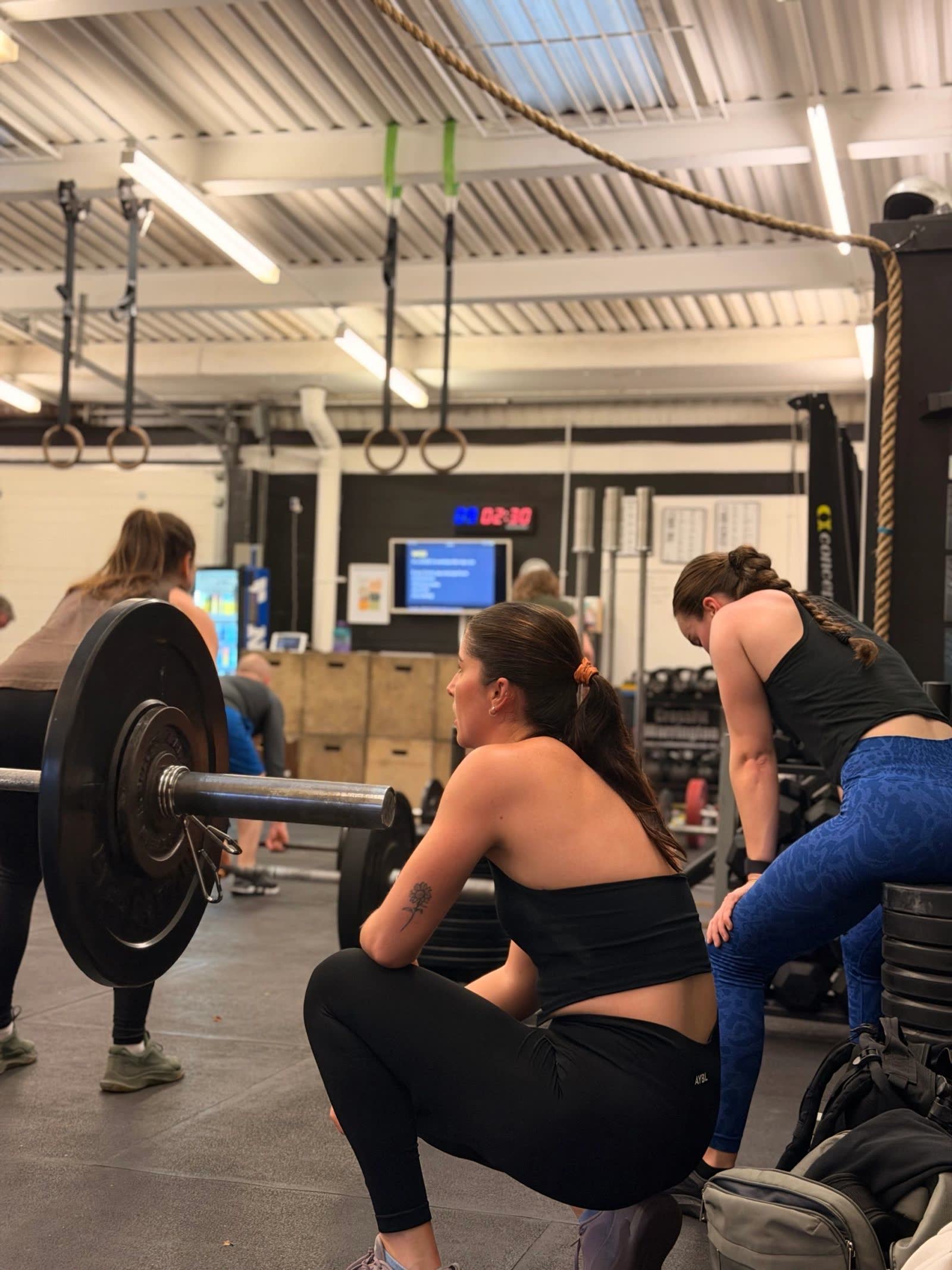
Injuries happen — it’s part of the journey when you train hard, especially in CrossFit. But stopping completely until fully healed isn’t always the best approach.
With the right modifications, you can stay active, maintain fitness, and even speed up recovery — safely.
Here’s how.
1. Modify, Don’t Stop
You don’t have to avoid the gym entirely. Often, simply adjusting the exercise is enough to keep moving without aggravating an injury.
Examples:
- Knee pain → swap full squats for box squats, step-ups or split squats
- Shoulder injury → try floor presses, banded push-ups, or dumbbell presses
Even reducing your range of motion can help. Partial squats or limiting overhead press depth keeps muscles active while protecting your joints.
“Modifying an exercise rather than avoiding it entirely helps maintain neuromuscular connection and prevents strength loss.” – NSCA Journal of Strength & Conditioning Research, 2019
2. Train Around the Injury
Strengthening the surrounding muscles supports the injured area and reduces compensation.
Examples:
- Shoulder injury → scapular stabilisers: rows, band pull‑aparts, face pulls
- Knee injury → glutes, hamstrings, calves
You can also work the uninjured side — research shows this can maintain strength in the injured limb through cross-education.
3. Keep Your Conditioning
Just because one part of your body is injured doesn’t mean your fitness has to suffer. Focus on energy-system work that avoids stressing the injury.
Examples:
- Lower-body injury → arm ergometer, hand bike, swimming with a pull buoy
- Shoulder injury → cycling, walking, or light rowing
Maintaining cardiovascular fitness helps your body recover faster and keeps you in the habit of training.
4. Adjust Load, Tempo, and Intensity
Lighter weights, slower movements, or shorter ranges of motion can still provide a training stimulus without overloading the injured tissue.
- Slow, controlled squats instead of explosive lifts
- Light dumbbells or resistance bands instead of heavy barbells
Even 30–40% of your usual load can help maintain strength safely.
5. Try Blood Flow Restriction (BFR)
BFR training uses light loads with occlusion bands to stimulate muscles while reducing joint stress.
Example:
- Leg extensions or bicep curls at 20–30% of your usual load with BFR
Research shows BFR can preserve or even increase muscle size and strength when heavy lifting isn’t possible.
6. Stay in the Gym
Even with an injury, staying in the gym keeps you engaged, motivated, and consistent. You can:
- Focus on mobility or accessory work
- Observe and learn new techniques
- Keep your mental connection to training
“Your coaches will help! Just give us a heads-up about any injury, and we’ll take care of the rest. That’s our job — keeping you moving safely and progressing while you recover.”
✅ Key Takeaways
- Modify exercises instead of stopping completely.
- Train neighbouring muscles and the uninjured side.
- Keep your cardio or metabolic conditioning going.
- Adjust load, tempo, and range of motion to stay safe.
- Techniques like BFR can maintain strength with minimal stress.
- Stay connected in the gym — don’t disappear!
With the right approach, injuries can become a chance for smart, focused training rather than total downtime. Listen to your body, trust your coaches, and keep moving.