
Blog · 4 May 2026 · Nutrition
Protein: Why It Matters...
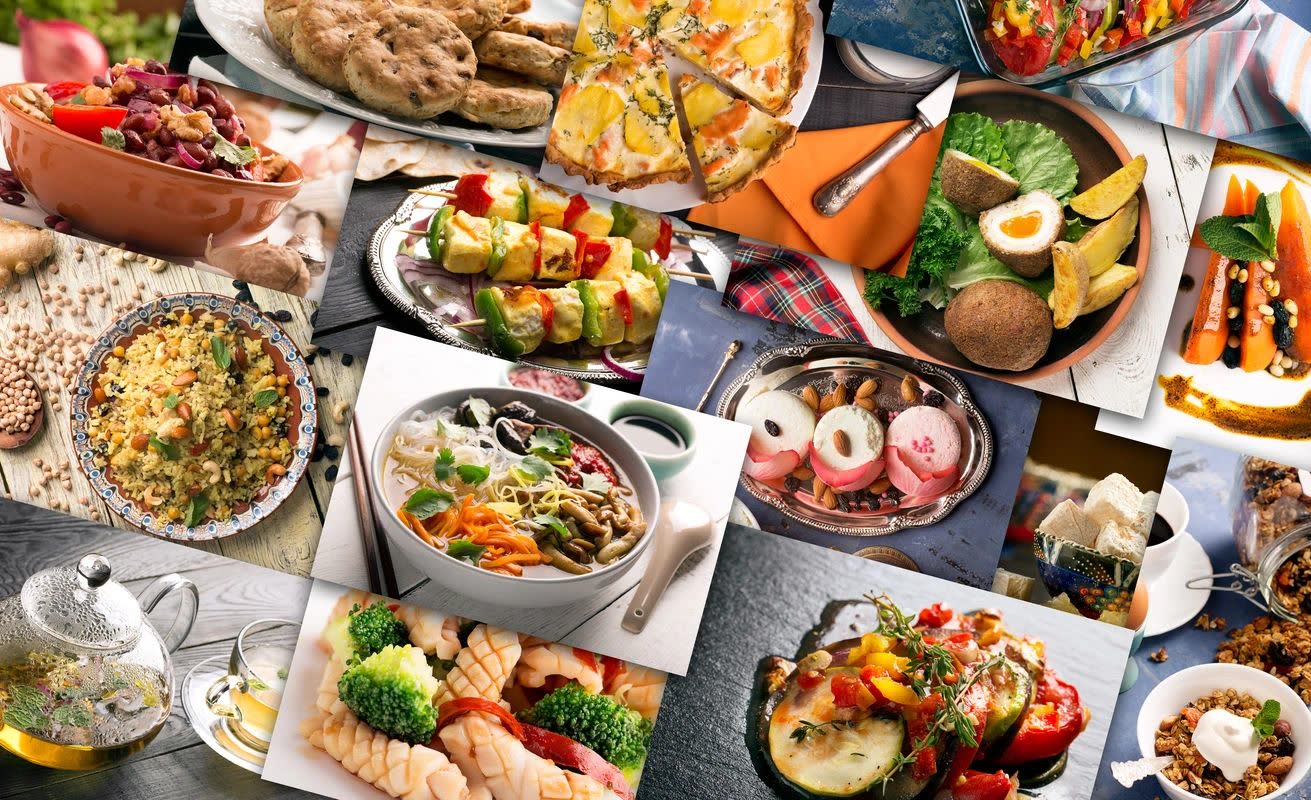
Protein is often the headline nutrient in fitness and nutrition conversations—and for good reason. Whether your goal is fat loss, muscle gain, or simply improving your health, protein plays a central role in how your body functions and adapts.
What Is Protein and Why Is It Important?
Protein is one of the three macronutrients (alongside carbohydrates and fats). It’s made up of amino acids, which your body uses to:
- Repair and build muscle tissue
- Support immune function
- Produce enzymes and hormones
- Maintain healthy skin, hair, and nails
Unlike fats and carbohydrates, protein isn’t stored in large amounts, so regular intake is essential.
According to the NHS, protein should be a key part of a balanced, healthy diet.
Protein and Weight Loss
If your goal is fat loss, protein is one of your biggest allies.
Keeps You Fuller for Longer
Protein helps control hunger hormones, making it easier to stick to a calorie deficit without constant cravings.
Preserves Lean Muscle
When dieting, the aim is to lose fat—not muscle. Higher protein intake helps maintain lean tissue, keeping your metabolism stronger.
Higher Calorie Burn
Your body uses more energy to digest protein compared to carbs and fats, supporting overall calorie expenditure.
The British Nutrition Foundation highlights protein’s role in maintaining muscle during weight loss phases.
Protein and Performance
For anyone training regularly, protein is non-negotiable.
Muscle Growth & Repair
Training creates micro-tears in muscle fibres. Protein repairs and rebuilds them stronger.
Faster Recovery
Adequate protein reduces soreness and helps you bounce back quicker between sessions.
Better Results
Without enough protein, progress in strength, endurance, and body composition is limited.
How Much Protein Do You Need?
Guidelines depend on your goal:
- General health: ~0.75g per kg body weight
- Fat loss: 1.2–1.6g per kg
- Performance/muscle building: 1.6–2.2g per kg
Example:
A 75kg individual aiming for fat loss may target 90–120g daily.
Best Protein Sources
Animal-Based
- Chicken, turkey
- Eggs
- Greek yoghurt
- Fish (salmon, tuna)
- Lean beef
Plant-Based
- Lentils
- Chickpeas
- Tofu/tempeh
- Beans
- Quinoa
Practical Guidelines for Results
- Include protein in every meal (20–40g)
- Prioritise whole foods
- Eat protein after training
- Stay consistent daily
- Balance with carbs and fats
Where Most People Go Wrong
- Not eating enough protein when dieting
- Relying too heavily on shakes
- Ignoring overall calorie intake
Why Personalised Nutrition Matters
While general guidelines are useful, the reality is that no two people respond exactly the same. Lifestyle, training, preferences, and habits all play a role.
That’s where 1-to-1 nutrition coaching makes the difference.
With personalised support, you’re not just given numbers—you get:
- A tailored protein and calorie target
- Meal structure that fits your lifestyle
- Ongoing accountability and adjustments
- Support around habits, mindset, and consistency
Instead of guessing, you follow a clear, structured plan designed specifically for you.
A Word from Our Founder
"So many people think they need to cut everything out or follow extreme diets to see results. In reality, it’s about understanding your body, fuelling it properly, and being consistent. Protein is a huge part of that—but it has to fit into a plan that works for you."
— Sian, Owner
Final Thoughts
Protein isn’t just for athletes—it’s essential for anyone wanting to lose weight, improve performance, or feel better day to day.
The key isn’t just eating more protein—it’s eating the right amount, consistently, within a plan that works for your life.
And if you want to remove the guesswork, personalised coaching can help you get there faster—and keep you there.