
Blog · 21 March 2026 · Coaching, Community, CrossFit
From Intimidated to Addicted: Your First 30 Days of CrossFit
By Sian Edwards, Owner
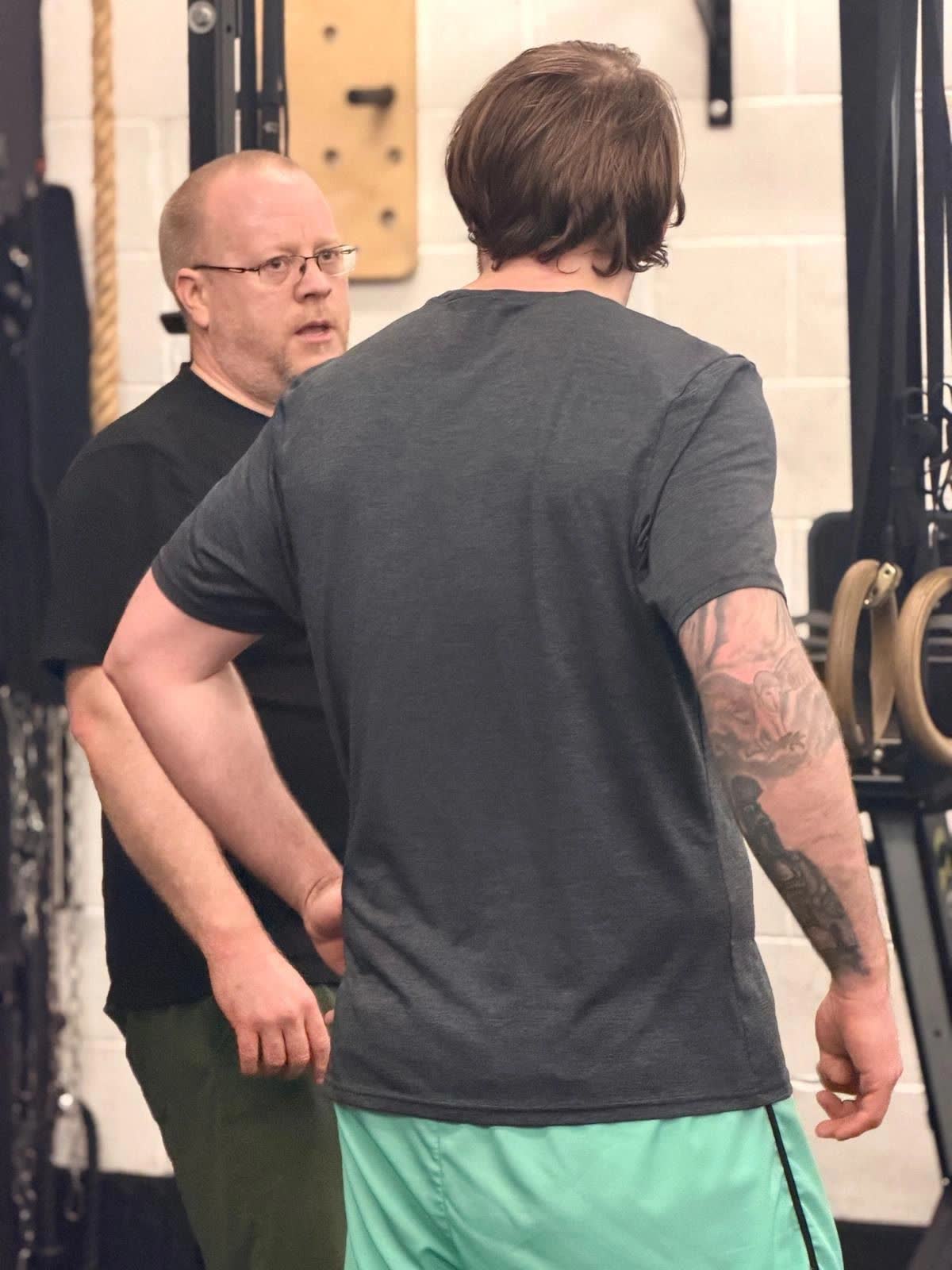
Your First Real Class
You’ve completed Couch to CrossFit—or your foundation sessions—and now… it’s time for your first class.
You walk in, the gym is full, the music’s up, and everyone’s either finishing the workout or gathering around the whiteboard for the next briefing. It might feel like a step up from what you’ve done so far—and that’s because it is. But here’s the key thing to remember: you’re ready for this.
As Sian Edwards, owner of CrossFit Warrington, puts it:
“The hardest part is walking through the door that first time. After that, everything we do is about making sure you feel supported, capable, and part of something.”
Week 1: Finding Your Feet
Your first few classes will feel different from your foundation sessions. There’s more people, more energy, and a slightly faster pace—but the structure is still there. You’ll warm up together, spend time on a skill or strength piece, and then take on the Workout of the Day. The biggest shift is that you’re now part of the class.
It’s completely normal to forget movements, feel unsure about where to be, or need things explained again. That’s what the coaches are there for. Everything is still tailored to your level, and scaling doesn’t go away just because you’ve joined the main classes. By the end of your first week, you’ll already feel more comfortable walking in and knowing what to expect.
“No one is expected to keep up or ‘be fit enough’,” says Sian Edwards. “We meet you where you are, and we build from there. That’s how real progress happens.”
Week 2: Building Confidence
As you move into your second week, things start to click. Movements become more familiar, you’ll feel more confident setting up your space, and you’ll begin to understand how to pace yourself during workouts. You might find yourself pushing a little harder or worrying less about what everyone else is doing.
You’ll also start recognising faces, having quick chats, and feeling part of the environment. Physically, you’ll notice a boost in energy, improving stamina, and that addictive post-workout feeling that keeps you coming back.
“Confidence doesn’t come from being perfect,” Sian Edwards explains. “It comes from showing up, trying, and realising you can do more than you thought.”
Week 3: Feeling Like You Belong
By week three, there’s usually a real shift. You’re no longer thinking of yourself as new—you’re just another member of the class. You’ll start remembering what weights you used before, recognising workout formats, and even setting small goals for yourself.
More importantly, you’ll begin to enjoy the challenge. What once felt intimidating now feels motivating, and instead of just trying to get through workouts, you’re starting to push yourself within them.
“This is where people really start to fall in love with it,” says Sian Edwards. “Not just the training, but the people, the atmosphere, the feeling of being part of something.”
Week 4: The Habit Is Built
By the time you reach week four, CrossFit has become part of your routine. You know how classes run, you’re more confident in your abilities, and you’ve probably already surprised yourself with what you can do.
You might be lifting heavier than when you started, recovering faster between efforts, and—something you never expected—actually looking forward to coming to the gym. Without even realising it, you’ve gone from hesitant to committed.
“It’s not about quick fixes,” says Sian Edwards. “It’s about building habits that last—and enjoying the process along the way.”
Why This Matters
That jump from foundation sessions to full classes is often the biggest hurdle, and you’ve already done it. At CrossFit Warrington, you’re never expected to just keep up. Everything is coached, everything is adaptable, and your progress is your own. The goal isn’t to be perfect—it’s to keep showing up.
Final Thoughts
Your first class might feel like a big step, but it’s also the beginning of something bigger. Give it 30 days. Stay consistent, trust the process, and don’t overthink it.
Because somewhere along the way, you’ll stop wondering if you belong—and start wondering how you ever trained any other way.